

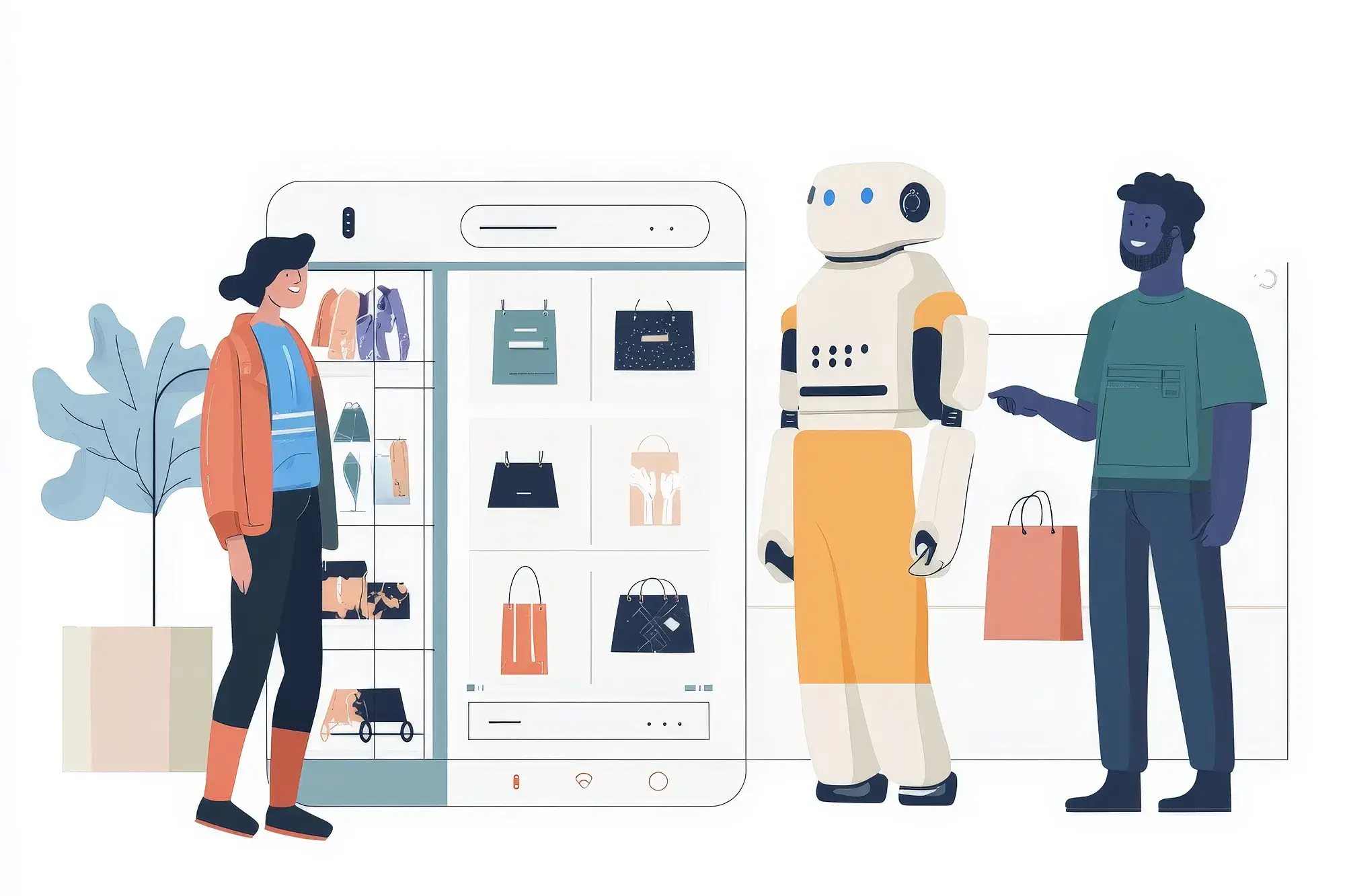
The Future of E-Commerce: How AI is Transforming the Shopping Experience
The Intersection of AI and E-Commerce
In the past decade, e-commerce has evolved from a niche market to a global powerhouse, and artificial intelligence (AI) is driving much of this transformation. AI is not just a buzzword; it’s becoming the backbone of modern e-commerce, helping businesses personalize shopping experiences, optimize supply chains, and enhance customer satisfaction.
Personalization at Scale
One of the most significant impacts AI has had on e-commerce is the ability to personalize shopping experiences. Using AI algorithms, retailers can analyze customer behavior, preferences, and browsing patterns to offer tailor-made recommendations. Think of the “Customers who bought this also bought” feature — but on a much more advanced level.
How AI Helps:
- Personalized product recommendations
- Dynamic pricing models based on demand and competition
- Customized marketing messages for different customer segments
AI-Powered Chatbots: Your 24/7 Virtual Assistant
Chatbots powered by AI have become a crucial part of customer service in e-commerce. These intelligent assistants can handle a variety of tasks, from answering product-related questions to guiding customers through the checkout process.
How AI Helps:
- Instant customer support
- Reducing response times and increasing efficiency
- Handling multiple queries simultaneously without human intervention
Inventory and Supply Chain Optimization
AI is also reshaping the back end of e-commerce, where it plays a pivotal role in inventory management and supply chain optimization. By analyzing data from sales trends and consumer behavior, AI can forecast demand, suggest restocking strategies, and even predict shipping times, leading to better inventory control.
How AI Helps:
- Demand forecasting and stock level optimization
- Reducing shipping delays and costs
- Intelligent warehouse management
Visual Search and Image Recognition

AI-powered visual search is one of the most exciting innovations in e-commerce. With the help of machine learning and image recognition technologies, customers can search for products using images instead of keywords. This reduces friction and makes the shopping experience more intuitive.
How AI Helps:
- Searching for products through images instead of text
- Enhanced product discovery and browsing
- Improved user experience and engagement
Fraud Prevention and Security

With the increase in online transactions, security has become a top concern. AI plays a crucial role in detecting fraudulent activities by analyzing transaction patterns and identifying anomalies. AI-driven fraud detection systems are constantly evolving to protect businesses and customers from financial loss.
How AI Helps:
- Real-time fraud detection and prevention
- Analyzing transaction data to spot suspicious behavior
- Enhanced security for payments and customer data
Conclusion: A New Era of E-Commerce
AI is revolutionizing the way we shop online, making it smarter, more efficient, and ultimately more satisfying. From personalized recommendations to enhanced security, AI is shaping the future of e-commerce in ways we never thought possible. As AI technology continues to evolve, the potential for innovation in e-commerce is limitless, promising an even more connected and intelligent shopping experience.
real-world examples of AI applications in e-commerce
1. Amazon: Personalized Shopping Experience

Amazon is one of the pioneers in leveraging AI for e-commerce. Their recommendation engine uses machine learning algorithms to suggest products based on a customer’s previous purchases, browsing history, and the behavior of similar customers. This personalized approach has significantly contributed to their success in online retail.
Example: The “Frequently Bought Together” feature and personalized homepage recommendations are both driven by AI.
Netflix: AI-Driven Content Recommendations

While Netflix is primarily a streaming service, its recommendation engine is a great example of AI being used to personalize experiences. The platform analyzes user behavior, including watch history and ratings, to suggest content that matches individual tastes. This method could easily be translated into e-commerce for recommending products based on browsing and purchase patterns.
Example: Netflix’s ability to recommend shows and movies based on users’ viewing habits is powered by advanced AI algorithms, and similar approaches are used by e-commerce platforms to suggest products.
H&M: AI for Inventory and Trend Prediction
H&M uses AI for inventory management and demand forecasting. By analyzing customer data and trends, they can predict which items are likely to be popular, allowing them to stock up accordingly. This helps reduce waste and ensures that popular products remain in stock.
Example: H&M’s AI-driven supply chain helps them optimize stock levels and predict fashion trends.
Sephora: Virtual Try-On with AI

Sephora, the global beauty retailer, uses AI-powered augmented reality (AR) to enable customers to try on makeup virtually. Their “Sephora Virtual Artist” uses facial recognition technology to show customers how different makeup products would look on their skin tone, providing a personalized and interactive shopping experience.
Example: Sephora’s AI-powered virtual try-on tool allows customers to see how makeup products will look on their face using AR technology.
eBay: Visual Search with AI
eBay’s AI-powered visual search allows customers to search for products by uploading an image instead of typing keywords. This feature makes it easier for shoppers to find products that match what they are looking for, even if they don’t know the exact name or description.
Example: eBay’s “Image Search” feature lets users upload a picture of a product to find similar items for sale.
Alibaba: AI Chatbots for Customer Service
Alibaba’s AI chatbot, AliMe, is designed to handle a wide range of customer inquiries. It assists shoppers by answering questions, providing product recommendations, and even helping with checkout. This reduces the need for human intervention, ensuring that customers receive quick responses at all times.
Example: AliMe, Alibaba’s AI-powered chatbot, assists millions of customers daily by handling queries, guiding purchases, and offering support.
0 Comments
No comments yet.